
By Dr. Maral Rahmani
PoultryMed Veterinary Services
April 2025
Introduction
Histomoniasis, more commonly known as blackhead disease, continues to pose a serious threat to turkey producers. This parasitic disease can cause high mortality and lead to substantial economic losses if not managed effectively. A solid understanding of the disease, along with practical control measures, is key to protecting your flock.
Spotting the Signs: How to Identify Histomoniasis
Turkeys affected by histomoniasis often appear weak and undernourished. Common visual cues include drooping heads and wings, ruffled feathers, and closed eyes. One of the most recognizable symptoms is the presence of sulfur-yellow droppings. Internally, the disease is marked by thickened cecal walls and patchy liver lesions. At necropsy, blackhead typically presents with enlarged, inflamed ceca containing yellow caseous cores, and distinct circular necrotic lesions on the liver, often resembling target-like patterns.
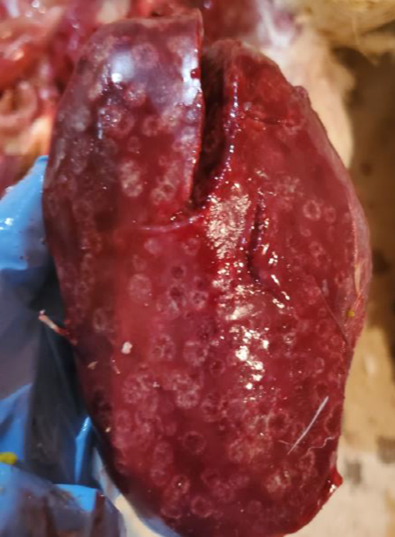
Figure 1: Target-like lesions in the liver – Photo by Dr. Maral Rahmani
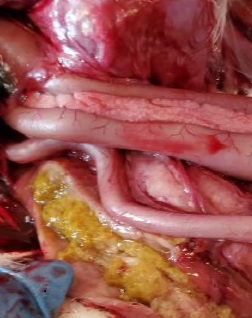
Figure 2: Cecal core – Photo by Dr. Maral Rahmani
Mortality can range from a few birds to nearly the entire flock, especially if action isn’t taken early. While chickens may carry the disease with milder consequences, turkeys tend to suffer far more severely.
Understanding How It Spreads
The disease is caused by a protozoan parasite called Histomonas meleagridis. It spreads in two major ways: direct contact with infected feces or through the eggs of the cecal worm (Heterakis gallinarum), which serve as long-term carriers of the parasite. These eggs can survive in the environment for years, creating an ongoing risk. Birds that ingest contaminated materials—often while foraging—can become infected long after the original outbreak.
Contamination isn’t limited to birds alone. Boots, tires, shared tools, and even insects can transfer the parasite between barns. Within the flock, the disease can spread rapidly through contaminated droppings or a behavior called “cloacal drinking,” where birds absorb fluids through their vent.
Taking Action: Response Strategies During an Outbreak
This disease is highly contagious. One effective approach during an outbreak is the prompt removal of symptomatic birds—ideally twice a day—to help minimize the risk of transmission through contaminated droppings.
Prevention First: Building Strong Biosecurity Protocols
Preventing histomoniasis starts with a robust biosecurity plan. Focus on identifying weak points in your farm’s operations and building procedures that block the parasite before it enters the barn. Key steps include:
- Managing pests such as insects, rodents, and wild birds
- Restricting access and monitoring visitor movement
- Enforcing strict entry and sanitation procedures
- Ensuring adequate cleaning, disinfection, and downtime between flocks
Shared equipment and vehicles are another major risk. Using temporary ground covers like disposable tarps or plastic sheets where tires or machinery enter poultry houses can help prevent contamination.
Final Thoughts
Protecting turkeys from blackhead disease requires a comprehensive strategy that blends disease awareness, early detection, effective outbreak management, and strong biosecurity. By staying proactive and addressing potential risks head-on, producers can limit the impact of histomoniasis and ensure healthier, more resilient flocks.