
By Dr. Maral Rahmani
PoultryMed Veterinary Services
Feb. 2025
Introduction
Inclusion Body Hepatitis (IBH) is a viral disease caused by an adenovirus, characterized by acute mortality and immunosuppression. While it’s not a new challenge for the poultry industry, it has persisted for decades and continues to affect areas across Canada, including the Fraser Valley, BC.
General Description
IBH can affect broilers of all ages, with even immunologically intact chicks being vulnerable during their first 2-3 weeks of life. In some cases, chicks as young as 5 days old have been observed to develop the disease. The condition generally lasts from 9 to 15 days, with mortality typically ranging from 2% to 40%. Mortality rates can vary depending on the virus’s pathogenicity and the presence of concurrent infections. Infected birds remain carriers for a few weeks, spreading the virus further.
Transmission occurs through both vertical and lateral means, as well as through contaminated equipment or surfaces. Repeated outbreaks have been recorded in 2 or 3 consecutive flocks on the same farm.
Contributing Factors
Stress is one of the key factors in IBH outbreaks. Stressors can come in many different fashions, but a few culprits quickly rose to the top of the list.
Any temperature stresses including overheating or chilling, rapid growth rates, and feed availability all play a role. Proper management of feed, water, lights, temperature, air, and litter is crucial to minimizing risk. Given the widespread presence of adenoviruses, even brief stress can lead to immunosuppression and IBH.
Maintaining strong immune health in both broilers and breeders is essential. Immunosuppressive factors, such as early IBD challenges, Marek’s disease or CAV infections, can contribute to the disease’s severity.
Clinical Signs
- Sudden onset of mortality
- Depressed birds with ruffled feathers
- Lethargy
- Mucoid droppings due to excess bile acids
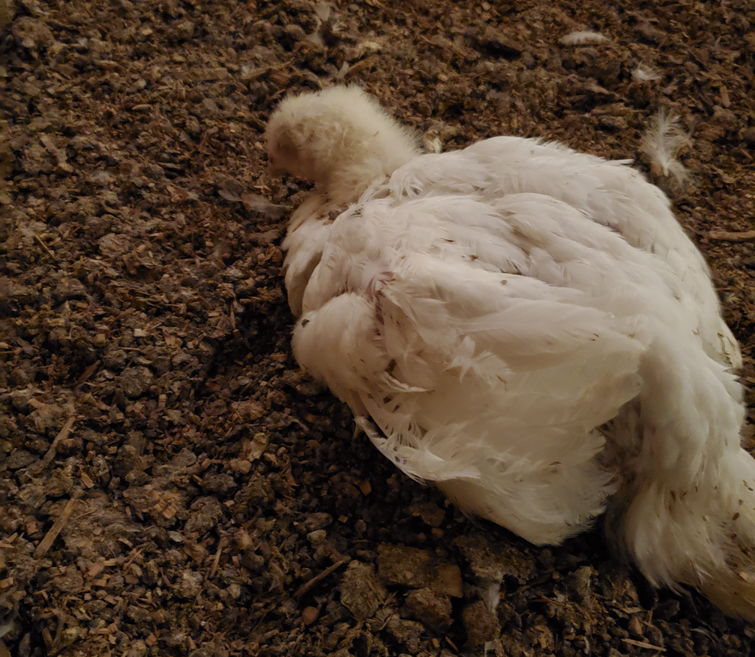
Figure 1: Depressed Birds – Photo by Dr. Maral Rahmani
Post-mortem Lesions
- Swollen, yellow and mottled liver with petechiae and ecchymoses
- Swollen kidneys
- Small bursa and spleen
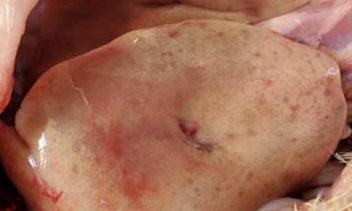
Figure 2: Swollen, yellow and mottled liver with petechiae and ecchymoses – Photo by Dr. Maral Rahmani
Diagnosis
A presumptive diagnosis may be made on history and post-mortem findings. Confirmation is made on finding inclusions in the liver through histopathology or through virus isolation.
Treatment
There is no treatment for this disease. Some supplements may help with the recovery process. Antibiotics also may help prevent secondary bacterial infections.
Prevention
- Strict biosecurity on farms
- Quarantine and good sanitary precautions
- Breeder vaccination
- Control of immunosuppressive diseases
- Reduce any stress (thermal, environmental, disease etc.)
References
Amir H. Noormohammadi, Merck Veterinary Manual, Reviewed/Revised Nov 2019 | Modified Sept 2024, available at: www.merckvetmanual.com
Sara Throne, Multipronged strategy helps reduce inclusion body hepatitis, Modern Poultry, June 2024, available at: www.modernpoultry.media
Poultryproducer, IBH gaining more attention in broiler flocks as incidence, mortalities rise, Sep 2022, available at: www.poultryproducer.com
Inclusion Body Hepatitis, The poultry site, March 2019, available at: www.thepoultrysite.com