
By Dr. Maral Rahmani
PoultryMed Veterinary Services
July 2025
Introduction
Avian Influenza (AI) continues to threaten both commercial and backyard poultry. With recent outbreaks of highly pathogenic strains (HPAI) across world, reinforcing biosecurity has never been more critical.
The Ongoing Threat
AI, caused by influenza type A viruses, comes in low and high pathogenic forms. Wild birds often carry the virus silently, making detection harder and increasing the risk of sudden outbreaks in domestic flocks.
Clinical Signs
- Sudden death with or without any clinical signs
- Marked loss of appetite, reduced feed consumption.
- Cessation of normal flock vocalisation
- Drops in or cessation of egg production
- Depression
- Coughing
- Nasal and ocular discharge
- Swollen face
- Cyanosis of comb/wattles
- Diarrhoea (often green)
- Nervous signs such as tremors and paralysis
The virus spreads fast and hits hard, so early sampling (oral/cloacal swabs) is vital for diagnosis.
How AI Spreads
All evidence suggests that avian influenza (AI) viruses are most commonly introduced into new areas by wild birds especially waterfowl but also gulls and shorebirds. These birds can contaminate the environment with infected feces, which may then be mechanically transferred to poultry farms, even without direct contact. Surface water polluted by wild birds can also serve as a source of infection, particularly for free-range poultry or flocks with access to such water. Within a farm, AI spreads through direct contact between birds or indirectly via contaminated equipment and personnel. Between farms, the virus is primarily spread through the mechanical transfer of feces, and shared food or water may also become contaminated. Human activity including farm workers, transport vehicles, and equipment is a significant factor in the secondary spread of AI among poultry farms
Key Biosecurity Practices to Minimize Risk
- Limit Farm Access
- Restrict visitors
- Use signage and locked gates
- Implement “shower-in, shower-out” if possible
- Disinfect Vehicles and Tools
- Keep vehicles off-site if possible
- Disinfect all equipment thoroughly before use
- Separate Zones
- Treat each barn or house as its own unit
- Use dedicated PPE for each area
- Clean and flush water systems regularly
- Control Pests and Wildlife
- Seal openings to block rodents and wild birds
- Maintain an effective pest control plan
- Train Your Team
- Ensure all staff know biosecurity protocols
- Review how to use disinfectants properly and safely
Extra Tips to Boost Protection
- Install footbaths at every entrance and change solution frequently
- Keep a log of all visitors and deliveries
- Quarantine new or returning birds for at least 2 weeks
- Monitor flocks daily and report unusual signs early
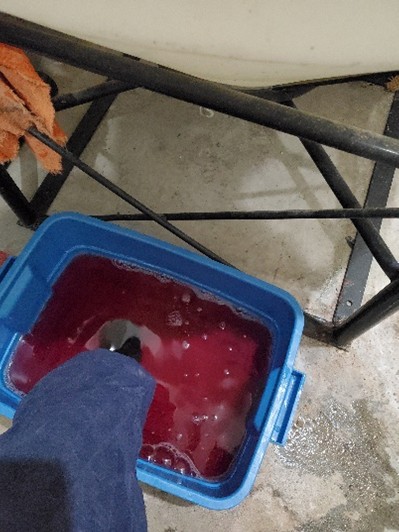
Figure 1: Footbaths are simple and effective biosecurity measure – Photo by Dr. Maral Rahmani
Supporting Farmer Well-being
AI outbreaks don’t just impact birds, they can take an emotional toll on the people caring for them. If you’re feeling overwhelmed or have experienced a cull in the past, you’re not alone. Reach out to:
- Mental health services for farmers
- Farm support programs in your province
Taking care of animals starts with taking care of yourself.
A Note for Small Flock and Backyard Poultry Owners
Even if you keep just a few birds, your role in disease prevention is vital. Avian influenza can affect any size flock, and early detection or strong biosecurity on small farms helps protect the broader poultry community. Simple steps like changing shoes before entering your coop, avoiding contact with wild birds, and isolating new birds can make a big difference.
If you’re unsure where to start or need help creating a basic biosecurity plan, reach out to your veterinarian. We’re here to support flocks of all sizes
What to Do If You Suspect AI:
Don’t wait: Contact your veterinarian or local animal health authority immediately. In Canada, notify your veterinarian or the Canadian Food Inspection Agency (CFIA) immediately. Early reporting helps prevent wider spread.
For more information, visit the CFIA’s Avian Influenza information page for updates on outbreaks, prevention tips, and disease reporting procedures.
More articles on Avian Influenza can be found here:
https://www.thepoultrysite.com/articles/avian-influenza-in-poultry